
Hashimoto's: Why You Still Feel Exhausted With \"Normal\" Labs




If Your Doctor Says You’re “Fine” but You Feel Anything But
Being told your labs are “normal” while you still feel exhausted can be incredibly frustrating. You start questioning yourself — wondering if you’re overreacting or just not trying hard enough. Yet the symptoms don’t go away.
Many people with Hashimoto’s continue to struggle with persistent fatigue, brain fog, and weight resistance, even when bloodwork looks fine on paper. And if this is happening to you, it doesn’t mean you’re imagining things.
This experience is extremely common with Hashimoto’s. As a Certified Holistic Nutritionist living with Hashimoto’s, I’ve seen this pattern repeatedly — both personally and professionally. The goal of this post isn’t to scare or dismiss you, but to validate what you’re feeling and explain why “normal labs” don’t always tell the full story.
What “Normal Labs” Actually Mean (and What They Don’t)
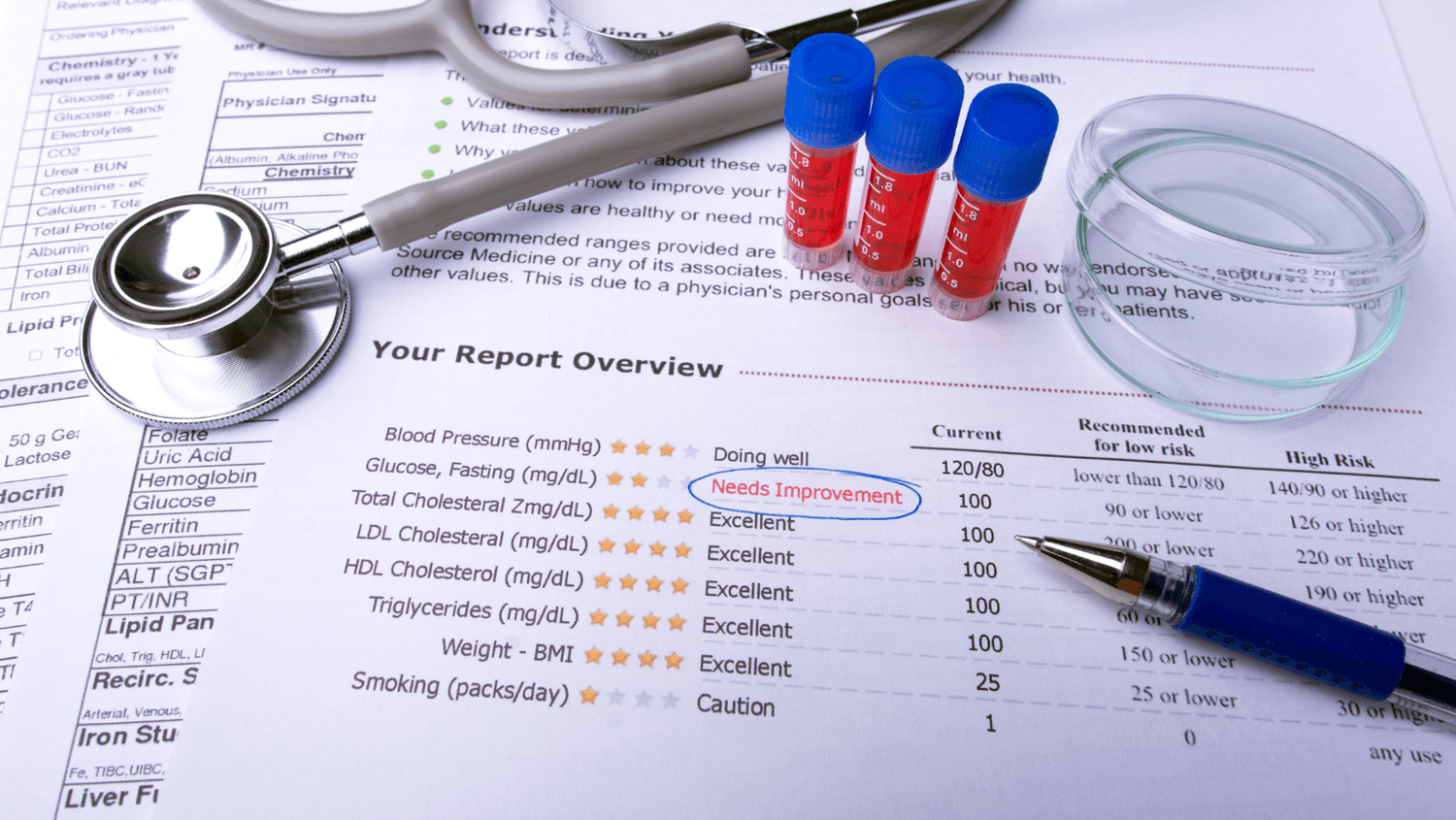
When doctors say your labs are “normal,” they’re usually referring to reference ranges — broad averages based on large populations. Falling within that range doesn’t necessarily mean your levels are optimal for your body or that symptoms should disappear.
Many providers rely heavily on TSH alone, which offers limited insight into how well thyroid hormones are being converted and used at the cellular level. This can leave important pieces of the puzzle unexplored.
It’s also important to remember that labs are a snapshot in time. They reflect what’s happening in your body at that exact moment, not how you function day to day. Labs are incredibly useful — they just don’t tell the whole story on their own.
Common Reasons You Still Feel Exhausted with Hashimoto’s
Inflammation & Autoimmune Activity
One major reason fatigue persists is ongoing inflammation and autoimmune activity. Even when labs look normal, thyroid antibodies can still be active, and an overworked immune system requires a lot of energy just to function.
T4 to T3 Conversion
Another common issue is poor T4 to T3 conversion. You may have enough thyroid hormone circulating, but if your body isn’t converting it efficiently, it can’t be used properly at the cellular level. Stress, inflammation, and nutrient gaps all play a role here.
Blood Sugar & Cortisol
Blood sugar and cortisol dysregulation can also contribute to exhaustion. This often shows up as energy crashes or a “wired-but-tired” feeling where you’re exhausted but can’t fully rest.
Nutrient Deficiences
Finally, nutrient deficiencies — such as iron, vitamin D, selenium, and magnesium — are common in Hashimoto’s. Standard labs don’t always catch functional deficiencies, which means symptoms can persist even when results appear “normal.”
You’re Not Lazy — This Isn’t a Willpower Problem
When fatigue doesn’t match your lab results, it’s easy to turn the blame inward. Many people with Hashimoto’s carry quiet shame because they “look fine” but feel anything but. This isn’t a motivation or willpower issue — it’s physiological.
Autoimmune-related fatigue comes from inflammation, hormone imbalance, and stress on the body, not a lack of effort. Pushing harder, skipping rest, or forcing productivity often makes symptoms worse, not better.
Your body isn’t failing you. It’s communicating that it needs support, not pressure. When you shift from self-blame to understanding what your body is asking for, real healing becomes possible.
Connect the Dots Between Your Symptoms & Root Causes
Treating Hashimoto’s requires more than just lab results. Symptoms are data, and often the patterns you notice day to day are more telling than a single number on a blood test. Tracking how you feel over time helps reveal connections between inflammation, hormone conversion, nutrient status, and stress that labs alone can miss.
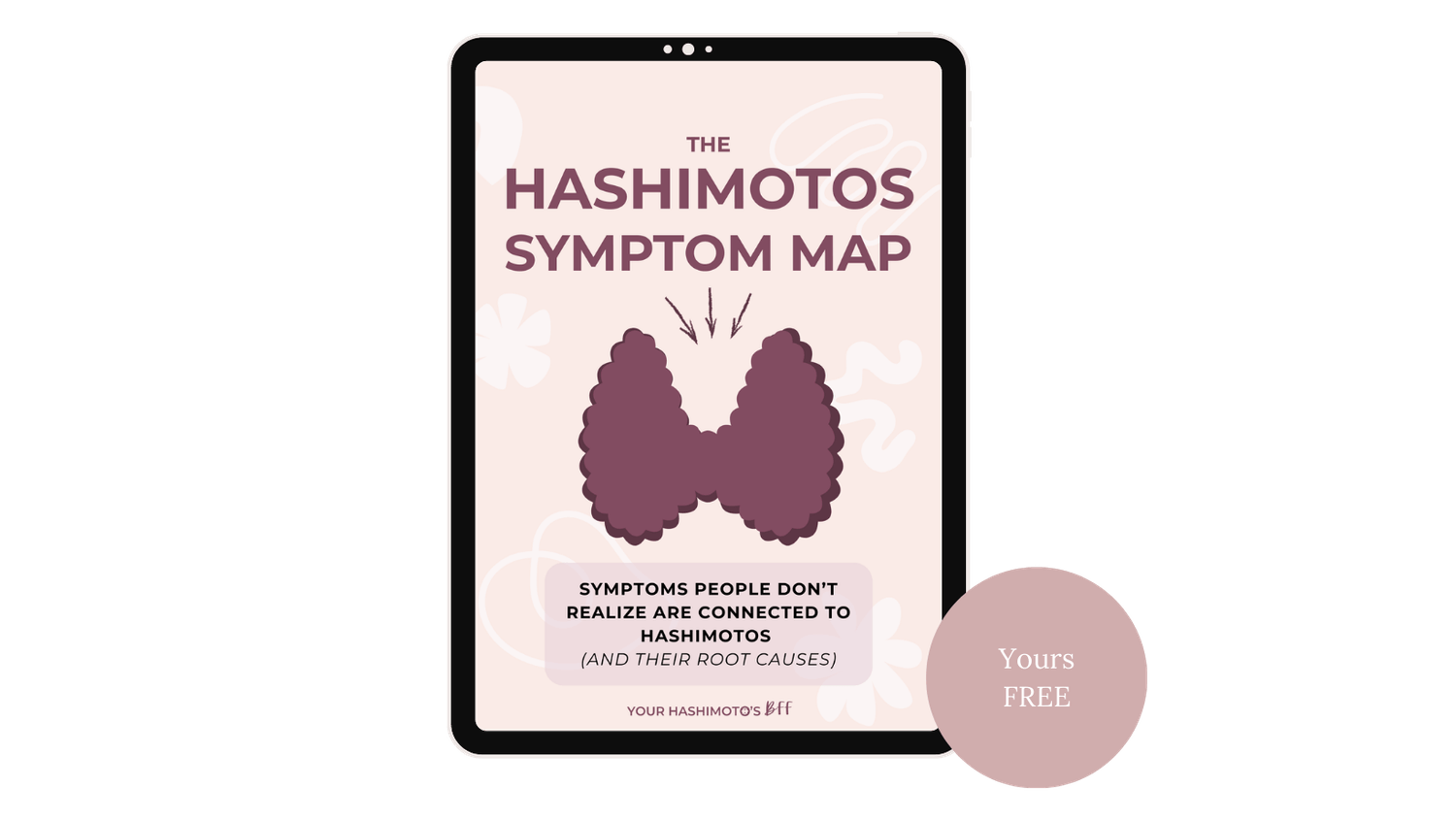
That’s why I created the Free Hashimoto’s Symptom Map. It’s a visual, beginner-friendly guide that connects common symptoms to potential root causes like inflammation, poor T4 → T3 conversion, blood sugar imbalance, and nutrient deficiencies. It’s designed to bring clarity, validate your experience, and help you advocate for yourself with confidence.
If you’re still struggling, know this: you’re not broken — you’re undersupported. Start by listening to your body and take the next gentle step forward.
👉 Download the FREE Hashimoto’s Symptom Map
Latest Posts
JOIN MY NEWSLETTER
Get wellness tips, exclusive offers, & recipes directly to your inbox regularly
© 2025-2026 All Rights Reserved
Content on this website is not considered medical advice.
Please see a physician before making any medical or lifestyle changes.
© 2025-2026 All Rights Reserved
Content on this website is not considered medical advice.
Please see a physician before making any medical or lifestyle changes.