
My Daily Hashimoto’s Meal Plan




What I Actually Eat with Hashimoto’s (No Perfection Required)
Deciding what to eat every single day with Hashimoto’s can feel exhausting. You’re constantly wondering if a meal will help your energy, make symptoms worse, or trigger a flare — and that mental load adds up quickly.
What I’m sharing here isn’t a rigid meal plan or a “perfect” day of eating. It’s a realistic, flexible approach that works in everyday life. As a Certified Holistic Nutritionist living with Hashimoto’s, this is the way of eating that’s supported my energy and symptoms without creating stress or food fear.
The goal is simple: meals that are anti-inflammatory, energy-supporting, and sustainable long term. No perfection required — just nourishment that helps your body feel supported rather than restricted.
The Foundations of My Hashimoto’s Meal Plan
The way I eat now is built on a few simple foundations — nothing complicated or extreme. Blood sugar balance comes first, which means including protein and healthy fats at meals. This alone made a huge difference in reducing energy crashes and helping my energy feel more stable throughout the day.
My approach is anti-inflammatory, not restrictive. Instead of focusing on everything I can’t eat, I prioritize what I add — nourishing foods that support my body. When it comes to trigger foods, I take a gentle, intentional approach rather than cutting everything out at once.
I also rely on simple, repeatable meals. This reduces decision fatigue and makes it easier to eat consistently. With Hashimoto’s, consistency matters far more than variety or perfection.
My Daily Hashimoto’s Meal Plan
This is an example of what a supportive, real-life day can look like — not a rulebook.
BREAKFAST
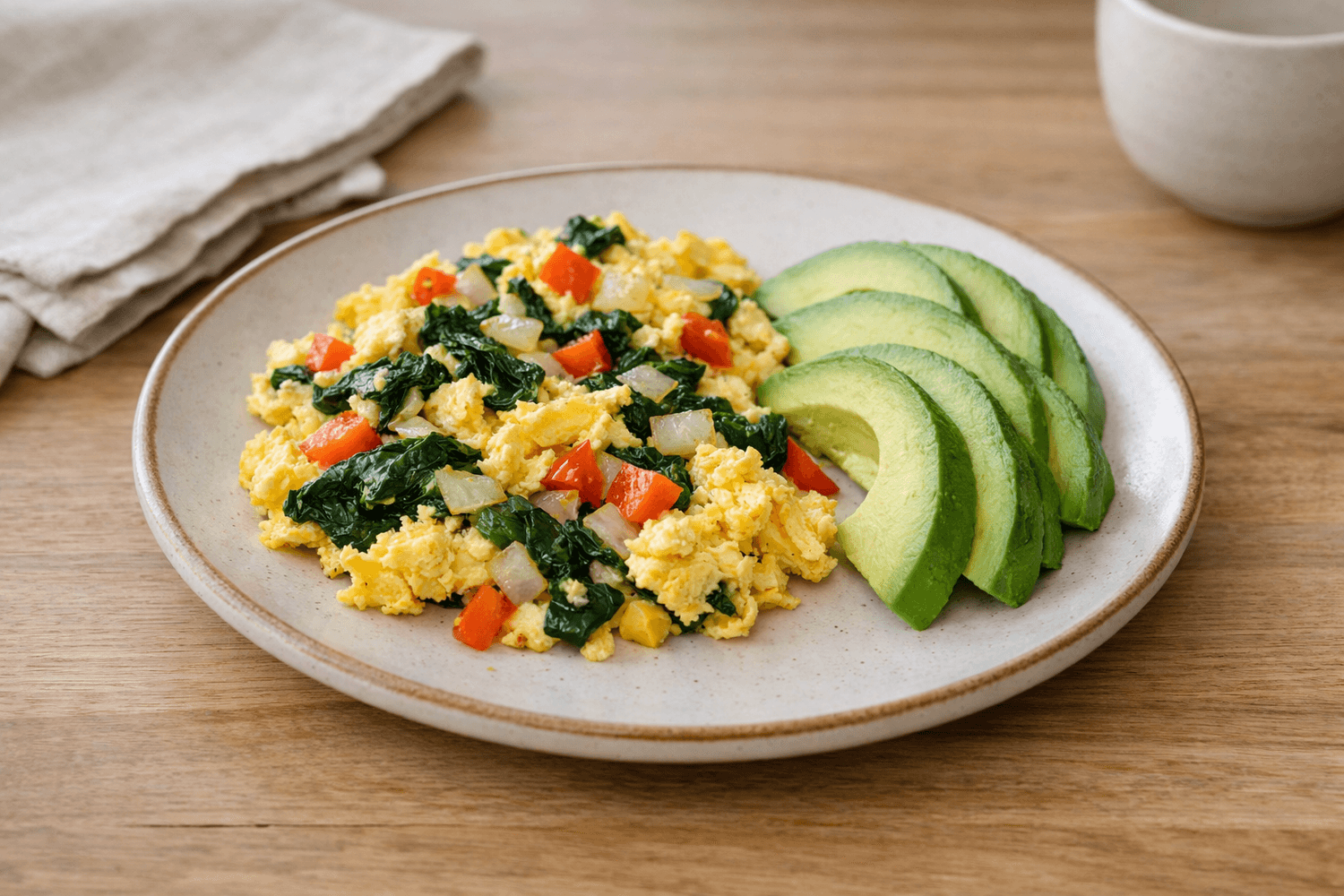
Eggs cooked with sautéed vegetables and a side of avocado. This combination provides protein and fat to support cortisol and give energy without a mid-morning crash.
LUNCH
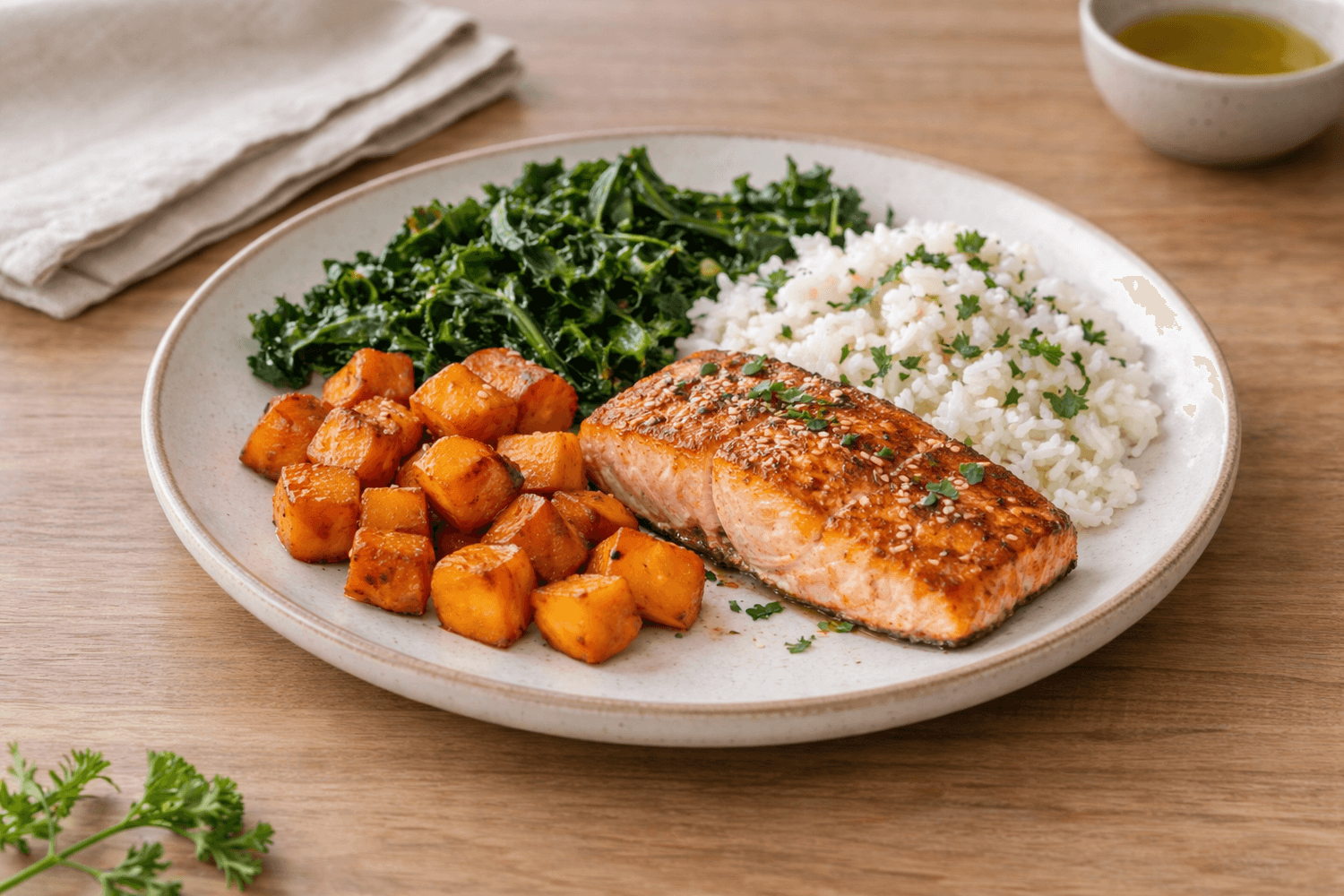
Grilled salmon with cooked greens and a simple carbohydrate like rice or sweet potatoes. It’s protein-forward, easy to digest, and keeps blood sugar stable through the afternoon.
DINNER
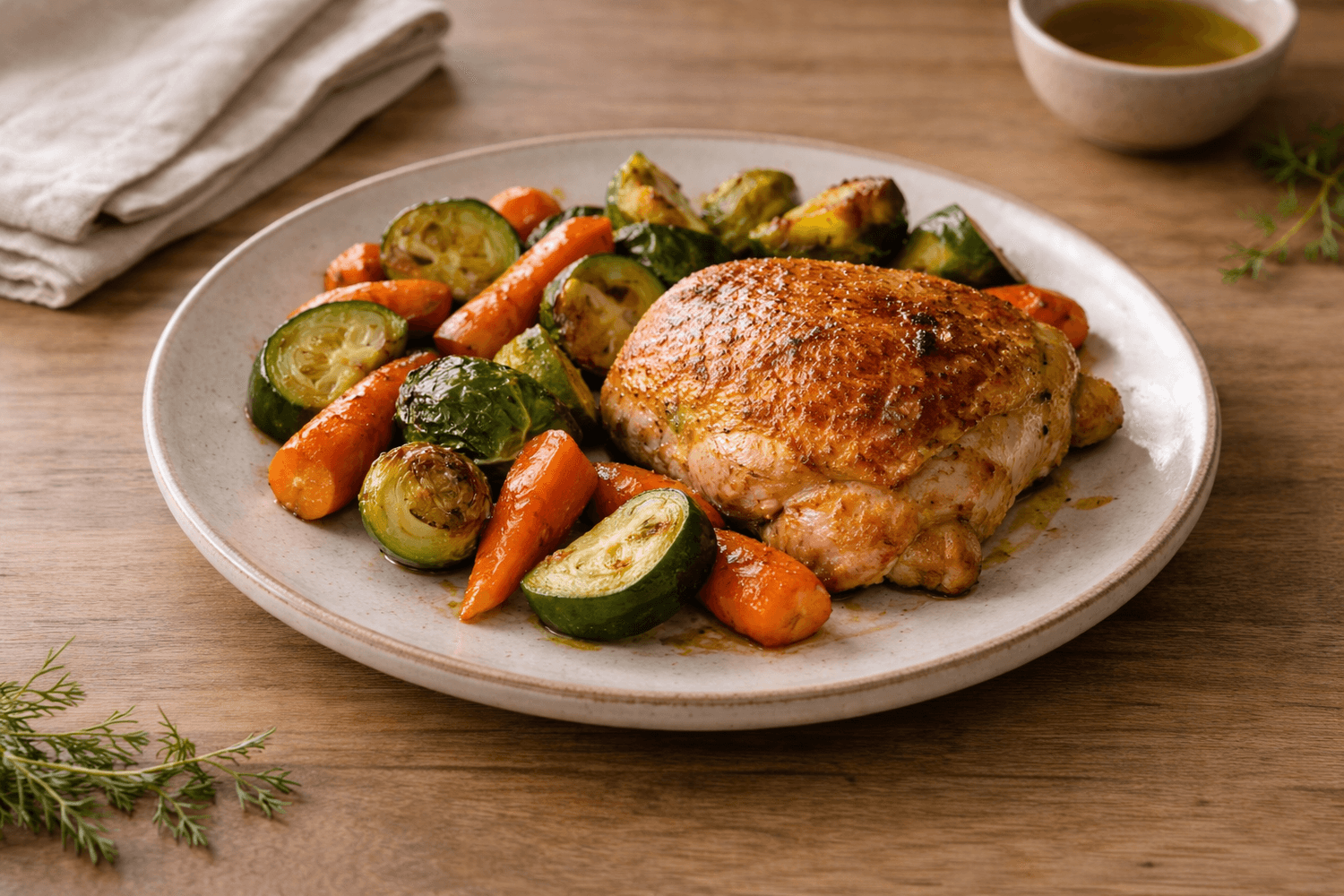
A comforting, nutrient-dense meal such as roasted chicken with vegetables and olive oil. Grounding meals in the evening support digestion and recovery.
SNACKS (if needed)
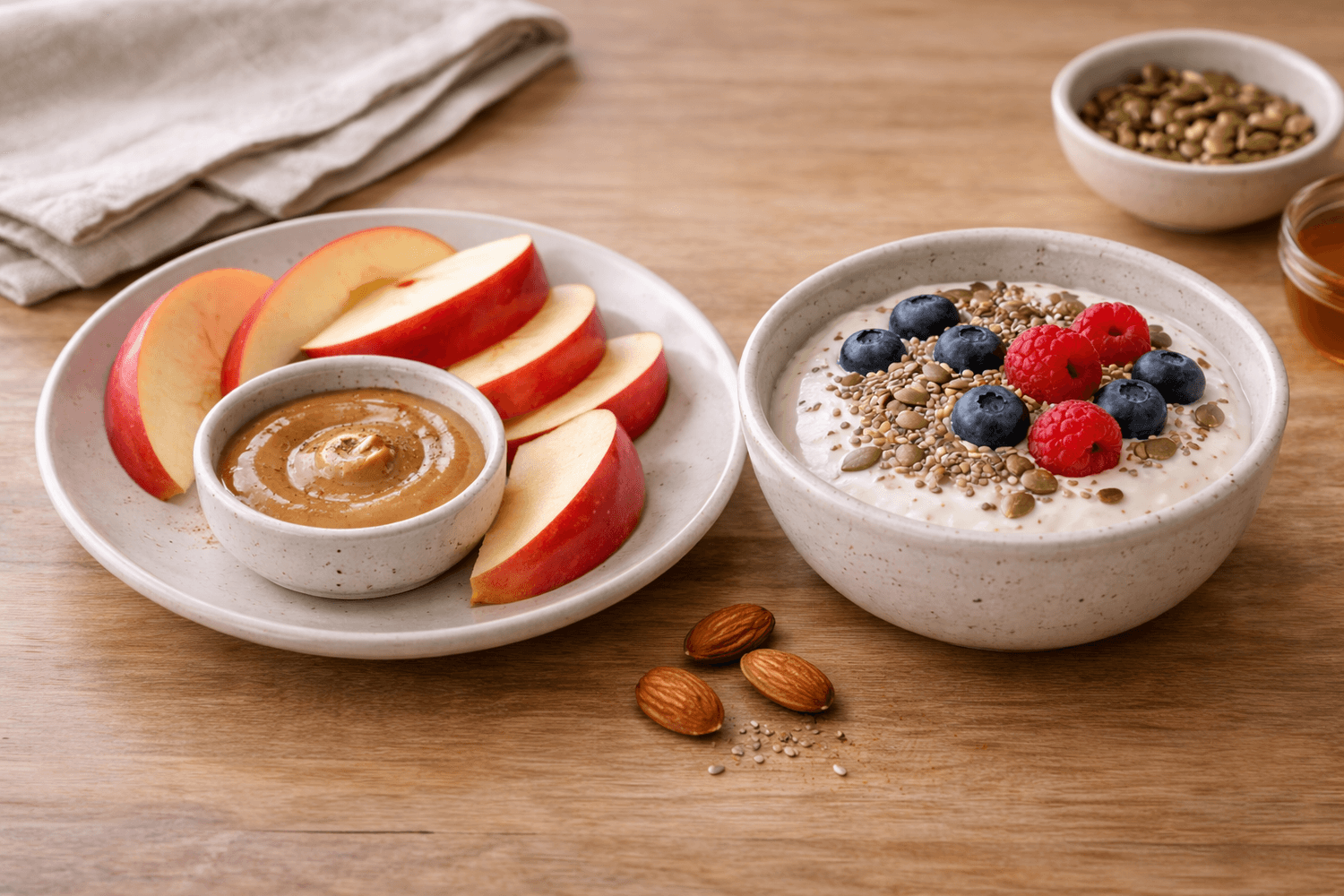
Fruit with nut butter or yogurt with seeds — just enough to support blood sugar without forcing food.
Eating this way helped reduce fatigue, minimize crashes, improve digestion, and support more stable moods.
On low-energy days, I simplify even more: repeat meals, lower expectations, and reduce pressure. Consistency always matters more than complexity.
$7 Done-For-You Hashimoto's Meal Plan
You don’t need a perfect meal plan to support your thyroid. With Hashimoto’s, consistency matters far more than perfection, and flexibility is often what allows healing to actually happen. The goal is to support your body — not control it.
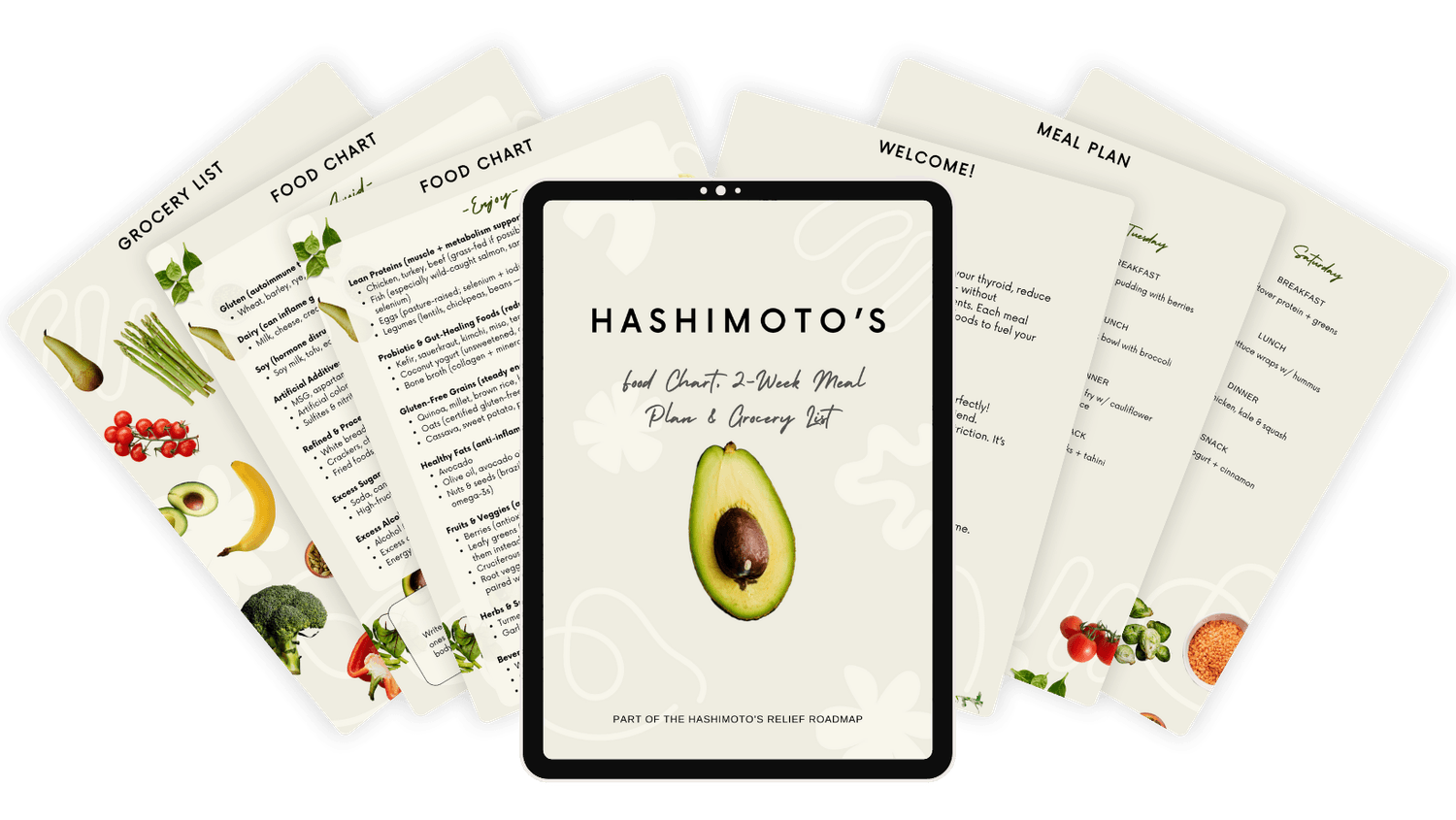
If you don’t want to think about food anymore and just want clear, supportive guidance, I created the $7 Hashimoto’s Diet Bundle to make this easier. It includes a Hashimoto’s Food Chart, a 2-Week Meal Plan, and a Grocery List — all beginner-friendly, anti-inflammatory, and designed to support energy without restriction.
This is a simple next step if you’re ready to feel more supported and less overwhelmed.
👉 Get the $7 Hashimoto’s Diet Bundle
FAQ: Daily Eating & Energy with Hashimoto’s
There’s no single number that works for everyone. Many people feel best with three balanced meals, while others benefit from adding a snack. The goal is steady energy and blood sugar stability, not forcing a schedule.
For some, yes — but for many, especially early on, it can increase stress and worsen fatigue. If you’re dealing with low energy or hormone imbalance, regular meals are often more supportive.
Snacking isn’t required. If you’re hungry or noticing energy dips, a blood-sugar-friendly snack can help. If you feel stable between meals, you may not need one.
Some people notice changes within a few weeks, while others need more time. Improvements often happen gradually as blood sugar stabilizes, inflammation lowers, and the body feels more supported.
Latest Posts
JOIN MY NEWSLETTER
Get wellness tips, exclusive offers, & recipes directly to your inbox regularly
© 2025-2026 All Rights Reserved
Content on this website is not considered medical advice.
Please see a physician before making any medical or lifestyle changes.
© 2025-2026 All Rights Reserved
Content on this website is not considered medical advice.
Please see a physician before making any medical or lifestyle changes.