
Hashimoto's: Foods That Help vs Hurt




Why Food Feels So Confusing with Hashimoto’s
If you’ve ever felt overwhelmed trying to figure out what to eat with Hashimoto’s, it makes complete sense. One source says gluten is the problem, another blames carbs, while someone else insists you need a strict protocol to heal. The result? Confusion, fear around food, and feeling like you’re doing it all wrong.
The truth is, Hashimoto’s is an autoimmune condition, which means inflammation plays a big role. Food can influence how active the immune system is, how well your gut functions, and how stable your blood sugar stays throughout the day. Blood sugar swings can increase cortisol, which often worsens fatigue and flares.
It’s also important to know that food sensitivities aren’t the same as allergies. Reactions are highly individual — what bothers one person may be completely fine for another. This isn’t about rigid rules. It’s about staying curious, supported, and learning what your body responds to.
3 Foods That Made My Hashimoto’s Symptoms Worse
These foods may not bother everyone with Hashimoto’s, but personally, they were some of the biggest drivers of my symptoms.
GLUTEN
Gluten was the first thing I noticed. Because of its connection to autoimmunity and gut permeability, it can increase inflammation for many people. For me, it showed up as heavier fatigue and persistent brain fog — especially when I was already run down.
EXCESS SUGAR & REFINED CARBS
Excess sugar and refined carbs created a constant energy rollercoaster. I’d feel a short burst of energy, followed by a crash that left me more exhausted than before. Those blood sugar swings made my fatigue much harder to manage.
ULTRA-PROCESSED FOODS
Ultra-processed foods were another issue. Between inflammatory oils, additives, and low nutrient density, they simply didn’t give my body what it needed to function well.
This doesn’t mean these foods can never be eaten again — it just means paying attention to how they affect you.
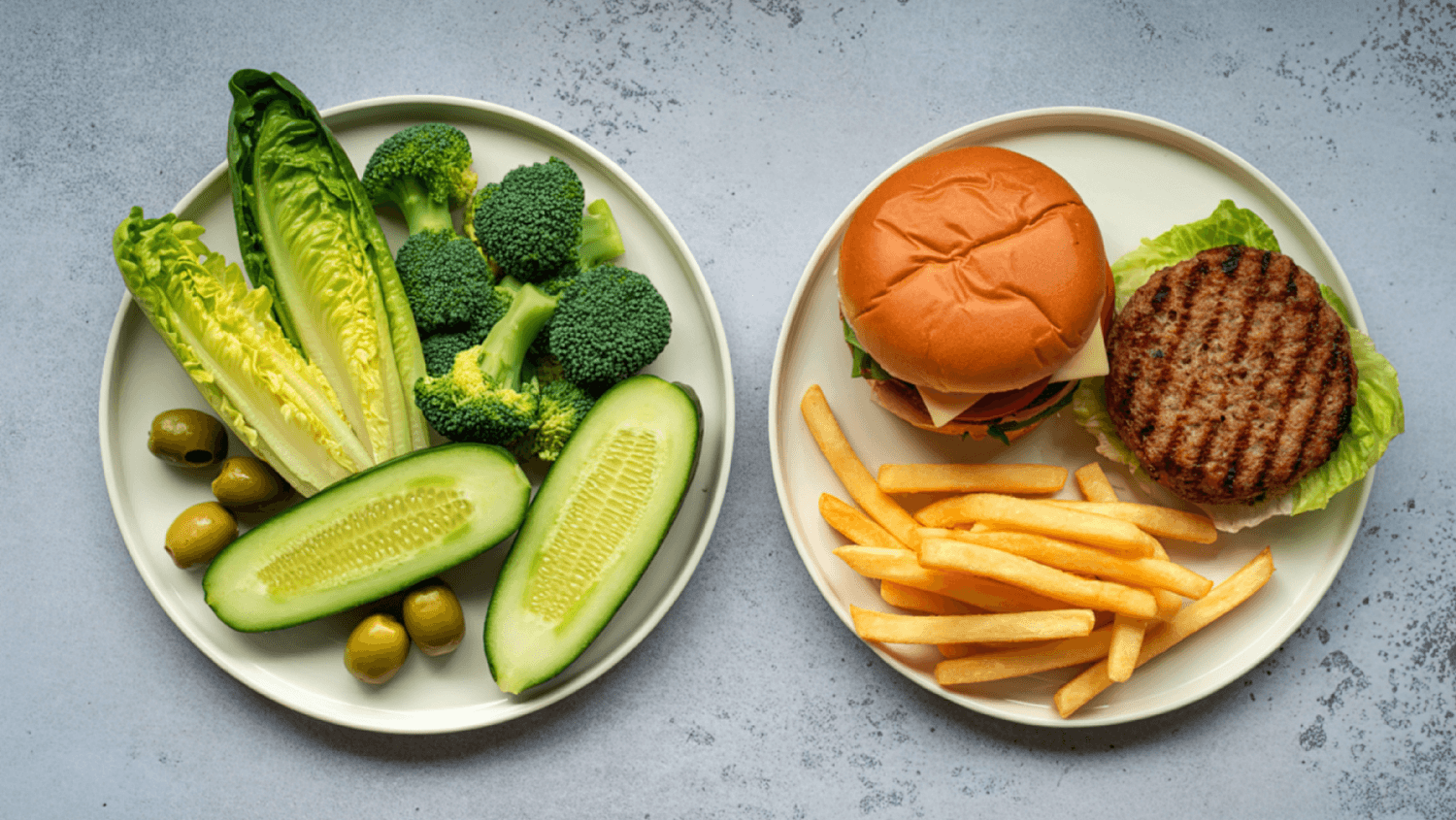
Foods That Tend to Support Hashimoto’s Healing
Shifting the focus to what you add can make a big difference. High-quality protein is foundational for Hashimoto’s because it supports hormone production, stabilizes blood sugar, and helps maintain steady energy throughout the day.
ANTI-INFLAMMATORY FATS
Anti-inflammatory fats like omega-3s, olive oil, and avocado help calm inflammation and support the nervous system, which is often under stress with autoimmune conditions.
EASY-TO-DIGEST CARBS
Easy-to-digest carbohydrates — such as root vegetables, rice, and fruit — can also be supportive. Carbs aren’t the enemy with Hashimoto’s; in fact, they can help lower cortisol and improve energy when eaten in balanced amounts.
WHOLE FOODS
Finally, mineral-rich whole foods matter. Nutrients like selenium, zinc, and iron play key roles in thyroid function and hormone conversion, and many people with Hashimoto’s are unknowingly low in them.
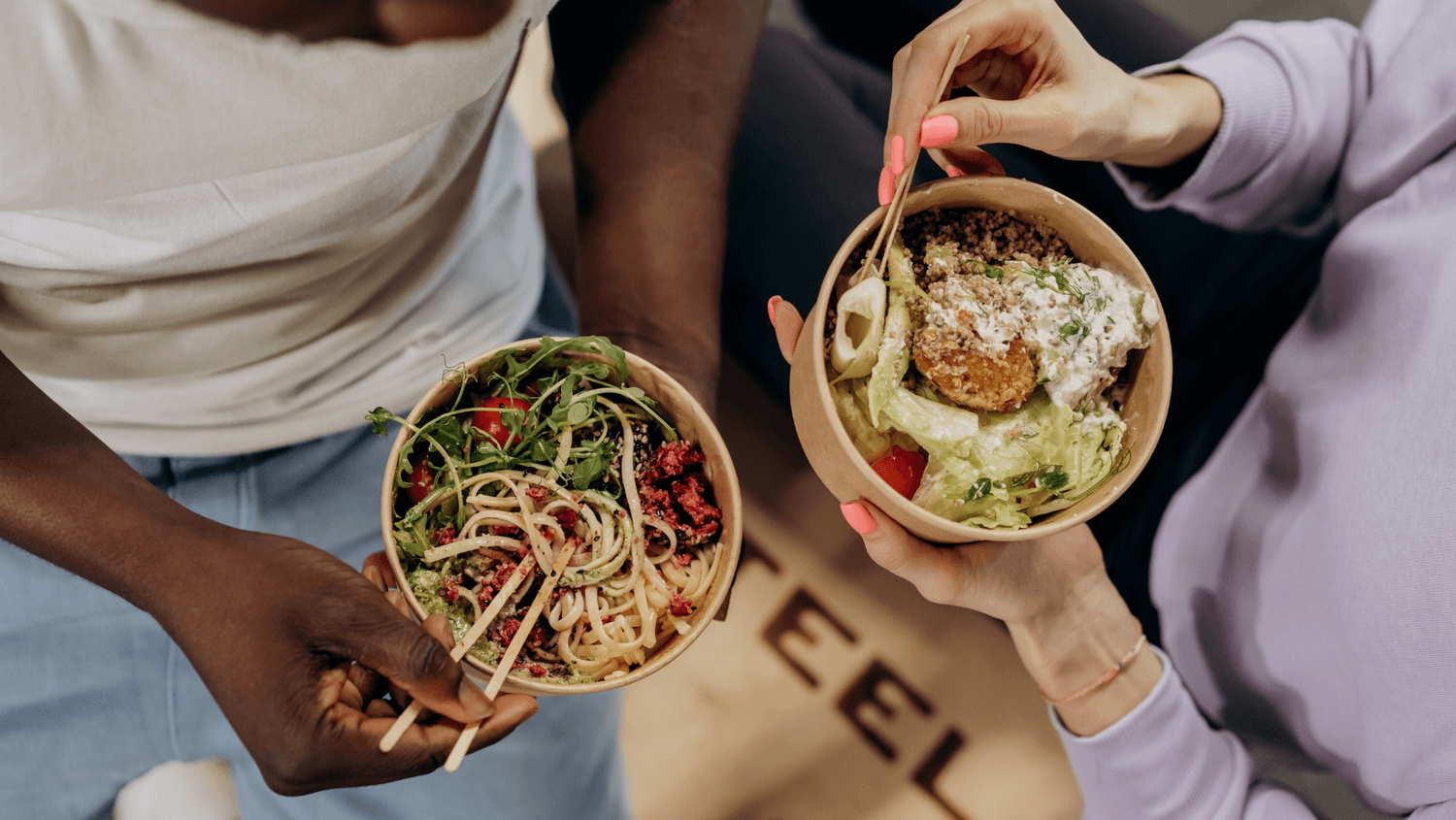
Cutting Too Many Foods Can Backfire
While removing certain foods can be helpful, cutting too much, too quickly often does more harm than good. Over-restriction increases the risk of nutrient deficiencies, which can worsen fatigue and slow thyroid function. It also raises stress and cortisol, putting even more strain on an already stressed system.
Many people also develop food fear or unintentionally under-eat, which further disrupts blood sugar and energy levels. Healing doesn’t happen in a state of constant restriction.
A gentler approach works better: test one change at a time, track how your symptoms respond, and give your body space to adjust. Just as importantly, know when to stop restricting. The goal is clarity and support — not endless elimination.
$7 Done-For-You Hashimoto's Meal Plan
Your symptoms aren’t a sign that you’re failing — they’re feedback from your body. Hashimoto’s healing is rarely all-or-nothing, and you don’t need to get everything right at once to feel better. Small, supportive changes made consistently go much further than perfection.
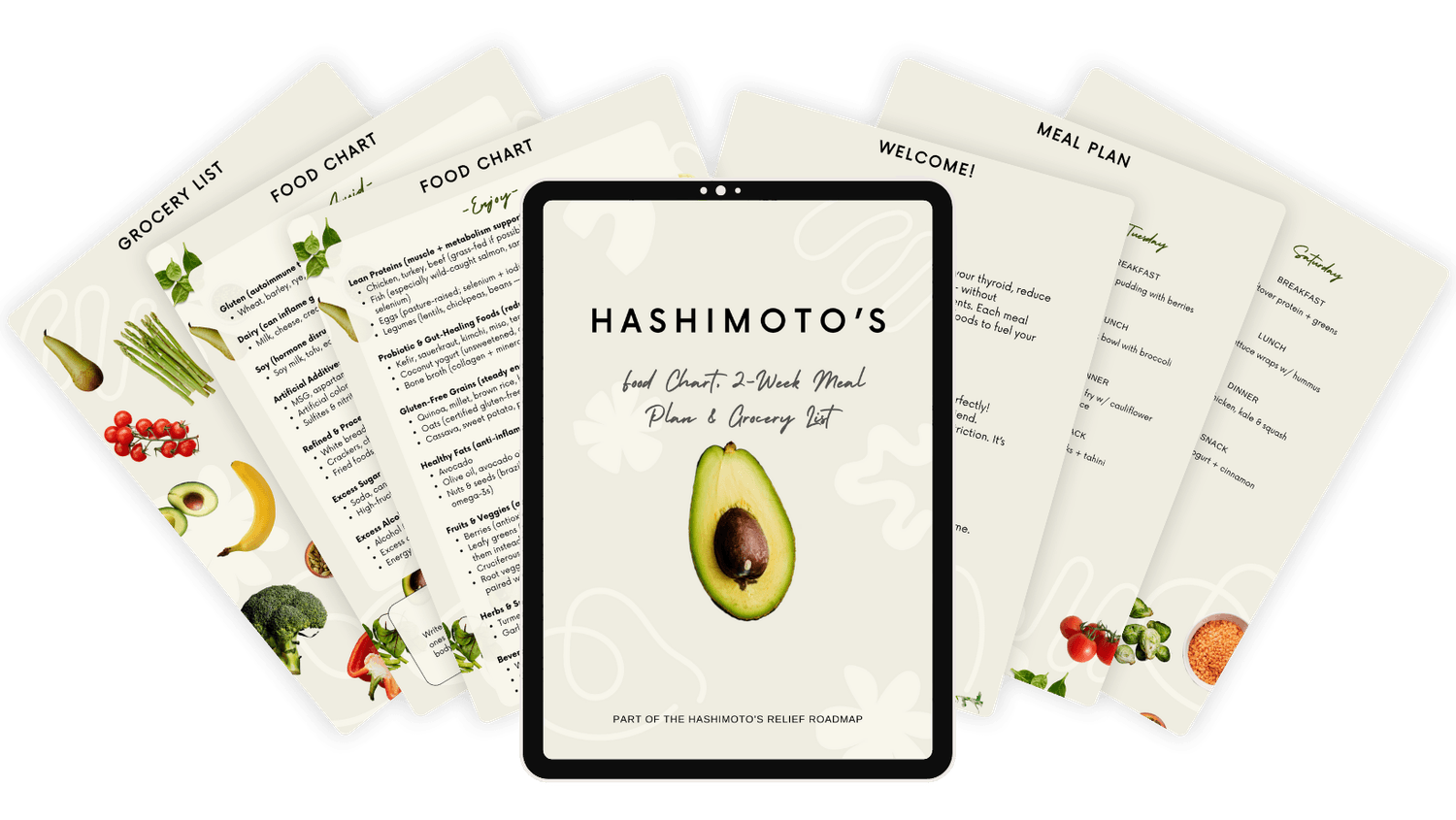
If you want help simplifying this process, I created the $7 Hashimoto’s Diet Bundle to remove the guesswork. It includes a Hashimoto’s Food Chart, a 2-Week Meal Plan, and a Grocery List — all designed to reduce inflammation, support energy, and guide you without extremes.
This is perfect if you’re tired of wondering what helps or hurts and just want clear, beginner-friendly support.
👉 Get the $7 Hashimoto’s Diet Bundle
FAQ: Common Questions About Food & Hashimoto’s
No. While many people with Hashimoto’s feel better reducing or removing gluten, it’s not universal. Some tolerate it well, while others notice improvements in energy, digestion, or brain fog without it. The key is paying attention to your own response.
For some people, yes — especially if they already have joint pain or inflammation. For others, nightshades cause no issues at all. They’re best approached as a trial, not a permanent rule.
Food alone isn’t usually the cause of flares, but it can contribute by increasing inflammation, blood sugar instability, or gut stress — especially during already stressful periods.
Some people notice changes within a few weeks, while others need more time. Improvements often show up gradually in energy, digestion, or brain fog rather than all at once.
Latest Posts
JOIN MY NEWSLETTER
Get wellness tips, exclusive offers, & recipes directly to your inbox regularly
© 2025-2026 All Rights Reserved
Content on this website is not considered medical advice.
Please see a physician before making any medical or lifestyle changes.
© 2025-2026 All Rights Reserved
Content on this website is not considered medical advice.
Please see a physician before making any medical or lifestyle changes.